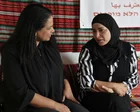
Bedouin women and grassroots activists helped drive a surge in turnout among Bedouin voters in Israel's election, according to the Guardian's report. Voting rates tripled in some Bedouin villages in the southern Negev region, the report says.
Umm Khaled Fatoun, whose son's house in the unrecognised village of Azzarnug was demolished last year, said she voted to "send [Itamar] Ben-Gvir home." Ben-Gvir is Israel's national security minister. The report says he ordered and publicly boasted about the demolitions.
Hanan Alsanah, a lawyer and activist whose Alnashmiat network ran the grassroots programme, said years of violent, racist government policy opened the door for change. She said that even if all the men voted, that would be only half the community.
According to the report, Arab citizens of Israel had historically high turnout. Their votes won 19 Knesset seats for Palestinian-led parties and helped deprive Prime Minister Benjamin Netanyahu and his allies of a governing majority. The Islamist Ra'am party beat polling expectations, which the report links to Bedouin turnout. The report estimates about 180,000 eligible Bedouin voters. This year, turnout in Bedouin communities ranged from 62% to more than 93%.
Netanyahu accused Palestinian-led parties of fraud and foreign support. The report says opposition leaders, election organisers and Negev activists rejected these allegations. Amit Segal, a pundit and confidant of Netanyahu, described the rise in Bedouin and Arab turnout as unprecedented in the state's history.
Amira Habdoubi, an organiser from the village of Abu Talul, said the high turnout reflected awareness, not corruption. She said voting was the only political protest open to Bedouin citizens, because they could not protest without risking arrest.
The report says more than 100,000 people live in about 30 unrecognised Bedouin communities in the Negev, which lack electricity, water and bomb shelters. Residents of these villages cannot vote in municipal elections, and there are no polling stations in them. Voters travelled to nearby towns, some by camel, horse, donkey or bicycle. Raluca Ganea, executive director of the Jewish-Arab group Zazim, said hundreds of women volunteers helped Bedouin women reach polls, and about 150 men provided protective presence at polling stations.