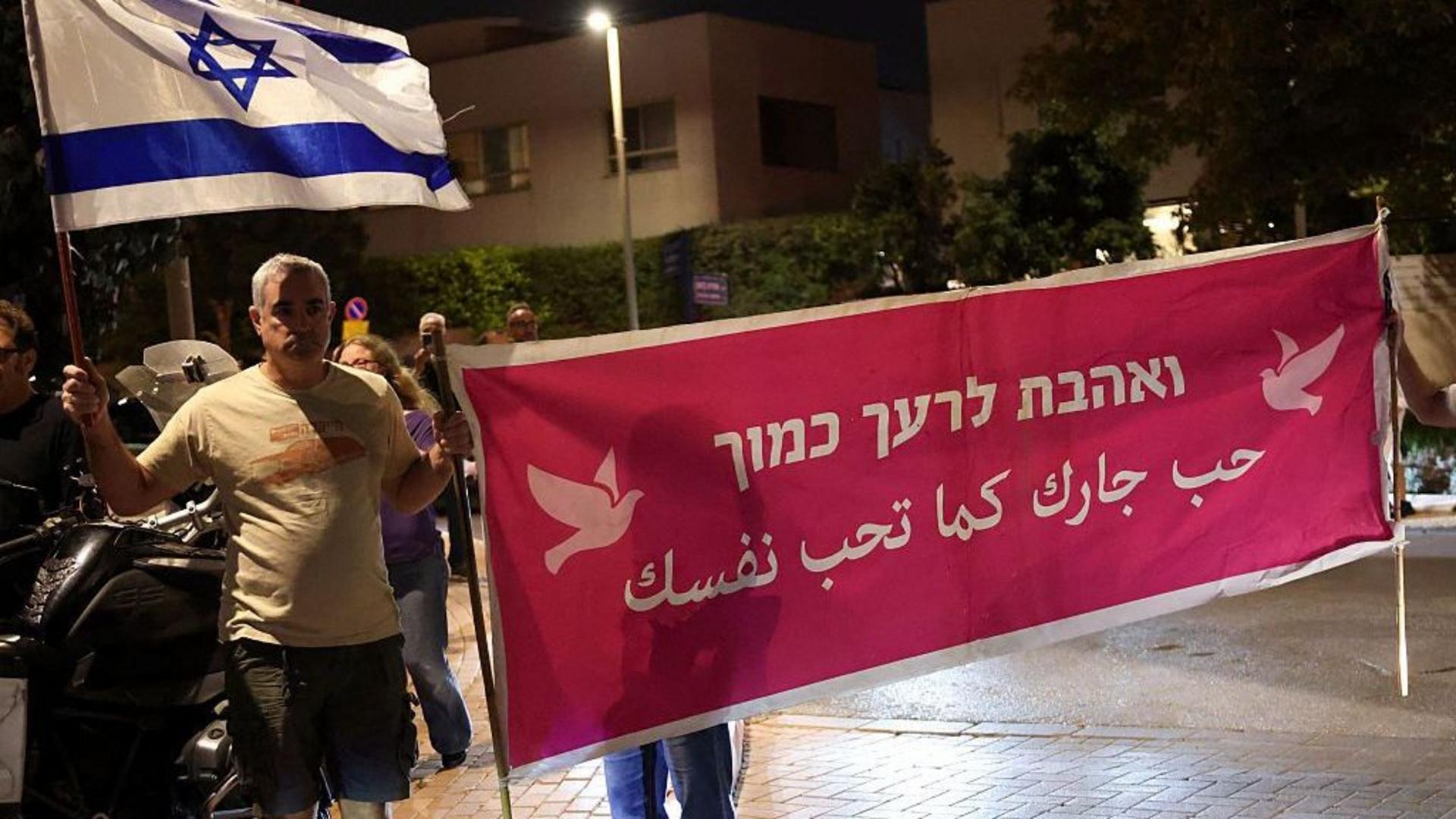
Israeli opposition leader Gadi Eisenkot and Arab-led party leaders have accused Prime Minister Benjamin Netanyahu of trying to delegitimise the election after his coalition lost its majority.
Netanyahu's Likud party accused Israel's Arab-led parties of "stealing" the election. Likud alleged that voters had been "bribed" to vote for those parties. The Shin Bet security agency is investigating whether they received illegal funding from Qatar and Turkey. Qatar's foreign ministry "categorically" denied the claims, calling them "ridiculous and dangerous" and accusing Israeli politicians of running a disinformation campaign against Doha.
The Joint List and Ra'am won a record 19 seats in the 120-seat Knesset after a surge in turnout among Arab voters. Final results show Netanyahu's bloc with 53 seats and Eisenkot's bloc with 48. Neither bloc has a majority, which makes the Arab parties potential kingmakers.
The Central Elections Committee asked Shin Bet to examine "serious suspicions" of foreign interference. Shin Bet later said its investigation did not implicate an entire community that had voted legally. Acting CEC Director General Dean Livne said there was "no basis for allegations of systematic violations of election integrity."
Eisenkot said "it is too early to determine what happened, or if anything happened at all." He accused Netanyahu of running "an orchestrated and organized campaign to delegitimize the election results." Sami Abu Shehadeh, chairman of Balad, which is part of the Joint List, called the allegation "a racist blood libel."
Critics of Netanyahu see the row as an attempt to make it politically impossible for Eisenkot to work with the Arab parties, which is currently his bloc's only route to power. A snap poll by Hebrew University found that the most popular option among voters in the opposition bloc was an Eisenkot-led minority government supported by Ra'am and the Joint List from outside.