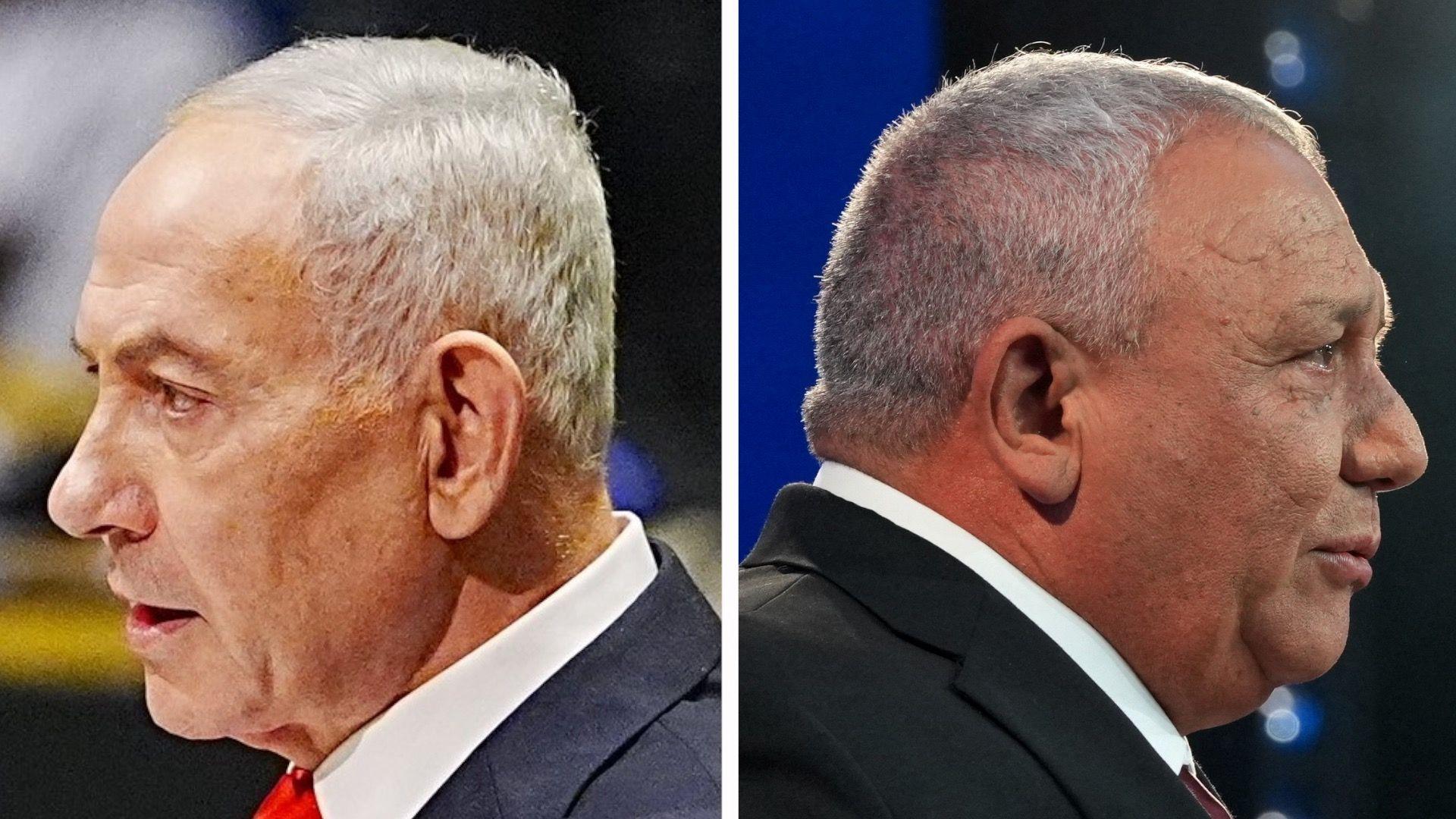
Israel's latest election produced no clear path to a new government. Neither the opposing bloc nor the governing bloc will hold a majority in parliament, according to the BBC's analysis.
Benjamin Netanyahu's Likud party suffered significant losses but is still on track to be the largest party in the Knesset. The report says Some 10% of voters backed the far-right, including Finance Minister Bezalel Smotrich, who was promising to establish Jewish settlements in Gaza as results were announced. Arab parties, which represent about a fifth of Israeli citizens, won roughly 15% of the vote, potentially giving them seats in the high teens.
The opposition bloc, led by Gadi Eisenkot, did not win the change it wanted. Eisenkot said the public had "spoken in favour of change." Yair Golan, leader of the left-wing Democrats, urged the opposition to partner with Arab parties. "We must no longer accept Netanyahu's racist division between Jewish votes and Arab votes," he said.
The report attributes the deadlock to divisions over judicial reforms, the response to the 7 October 2023 attacks, and the exemption of ultra-Orthodox men from military service. The ultra-Orthodox now make up almost 15% of the population, according to the report.
Amit Segal, an Israeli commentator sympathetic to Netanyahu, said high Arab turnout "reminded Jews on both sides that, after years of division, they may have to learn to sit together after all."
President Isaac Herzog said the country must do everything it can to avoid another round of elections. The report notes that Israel may struggle for months to form a government and could hold another election if talks fail.