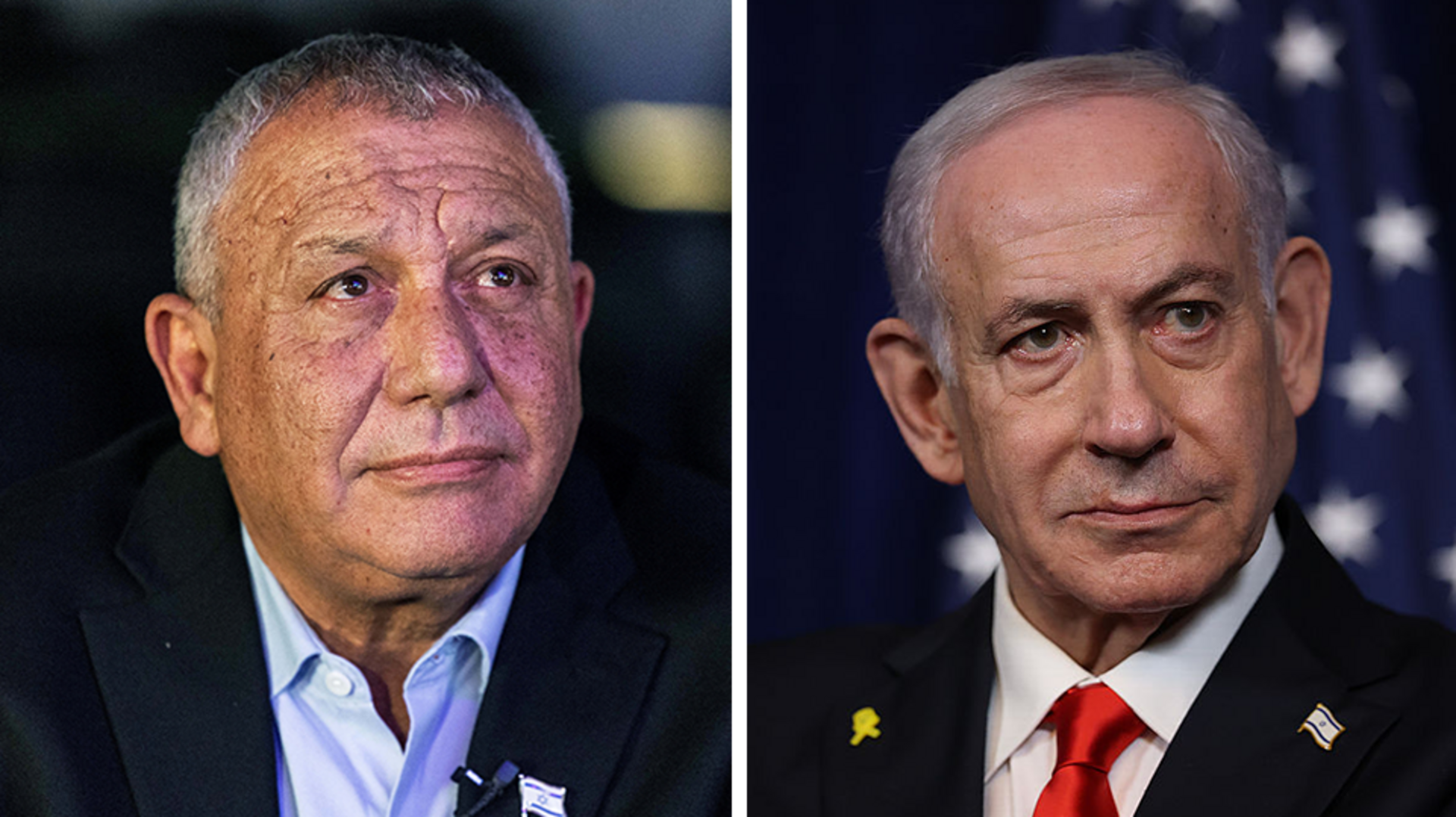
Israel holds an election on Tuesday that many observers describe as one of the most pivotal in the country's history, according to the BBC report. It is the first national vote since the 7 October 2023 Hamas-led attacks and the wars that followed in Gaza, Iran, Lebanon, Syria and Yemen.
Polling published on Friday shows incumbent Benjamin Netanyahu in a tight race with Gadi Eisenkot, a former head of the Israel Defense Forces. Eisenkot formed his Yashar Party only last year. He lost a son, a soldier, early in the Gaza war. He served in Netanyahu's war cabinet until resigning in 2024 over the handling of the conflict, and he campaigns on accountability for the security failures that preceded 7 October.
Other opposition leaders include former prime minister Naftali Bennett and Avigdor Lieberman, both right-wing figures with hardline security positions, and Yair Golan, a left-leaning former general. The report says they could work with Eisenkot to oust Netanyahu.
The report describes Netanyahu's current government as the most right-wing in Israel's history. He will likely need support from far-right coalition partners, some of whom have called for annexing the West Bank and for the "migration" of Palestinians from Gaza. The report says that could amount to forced displacement of civilians. Some Likud members have also called for Palestinian "migration" from the territory.
Two Arab party blocs are also running. About one-fifth of Israel's population is Arab. The report says they could become kingmakers, but all but one leading Jewish party has ruled out working with them.
The Knesset has 120 seats, so a government needs 61 to hold a majority. Because Israel uses proportional representation, governments have always been coalitions. Friday's polling suggests neither Eisenkot's nor Netanyahu's bloc will reach that majority. The report says this could mean weeks or months of negotiations, a minority government, or new elections, with Netanyahu staying on as interim prime minister.
Security dominates the campaign. Netanyahu's challengers criticise the security failures leading to the attacks, in which nearly 1,200 people were killed and 251 taken to Gaza as hostages. Netanyahu presents himself as "Mr Security" and points to strategic victories since 2023. Other major issues include conscription of ultra-Orthodox men, which the report describes as increasingly divisive, judicial reform plans that critics say would compromise judicial independence, and the cost of food and housing.
On Gaza, the report says Eisenkot does not differ hugely from Netanyahu. Eisenkot has pledged to end Hamas rule within 18 months, through a US-led peace plan or, if necessary, military means. Netanyahu's camp largely favours continued rapid settlement expansion in the West Bank. Eisenkot supports settlements in general but opposes the E1 project, and he has spoken of "autonomy or a state-minus" for Palestinians under Israeli security control. The report notes that none of the leading Jewish parties are campaigning for a two-state solution.
Exit polls will be published at 22:00 local time on election day. Preliminary results are expected the next day, and official results are scheduled for 4 November.