Benjamin Netanyahu's response to the Israeli election deserves to be called what it is: an effort to delegitimise a result he does not like. His coalition lost its majority, and rather than accept that outcome, Likud has accused Israel's Arab-led parties of 'stealing' the election. The accusation rests on a claim that they received illegal funding from Qatar and Turkey, a claim that the Shin Bet has said it is only investigating.
The gap between the accusation and the evidence is wide. The head of the Central Elections Committee asked the Shin Bet to examine 'serious suspicions' of foreign interference, but the agency later clarified that its inquiry did not implicate an entire community that had voted legally. Acting CEC Director General Dean Livne said there was 'no basis for allegations of systematic violations of election integrity.' Gadi Eisenkot, who was briefed on the investigation, said it was 'too early to determine what happened, or if anything happened at all.' Those are the words of people who know the limits of what has been shown. Likud's language about a 'political earthquake' and an 'attack on democracy' goes far beyond them.
The stakes are concrete. The Joint List and Ra'am won a record 19 seats, and neither Netanyahu's bloc, with 53 seats, nor Eisenkot's, with 48, reached a majority. Eisenkot's only route to power runs through parties he has repeatedly refused to join. Painting those parties as criminal and foreign-controlled makes that route politically harder to take, which is why critics see the campaign as an effort to close off the one path that would deny Netanyahu a return to office. Netanyahu's social media posts calling high Arab turnout an 'emergency' and a 'matter of life or death' and his sharing of AI-generated images of Arab voters at polling stations make the intent difficult to read charitably.
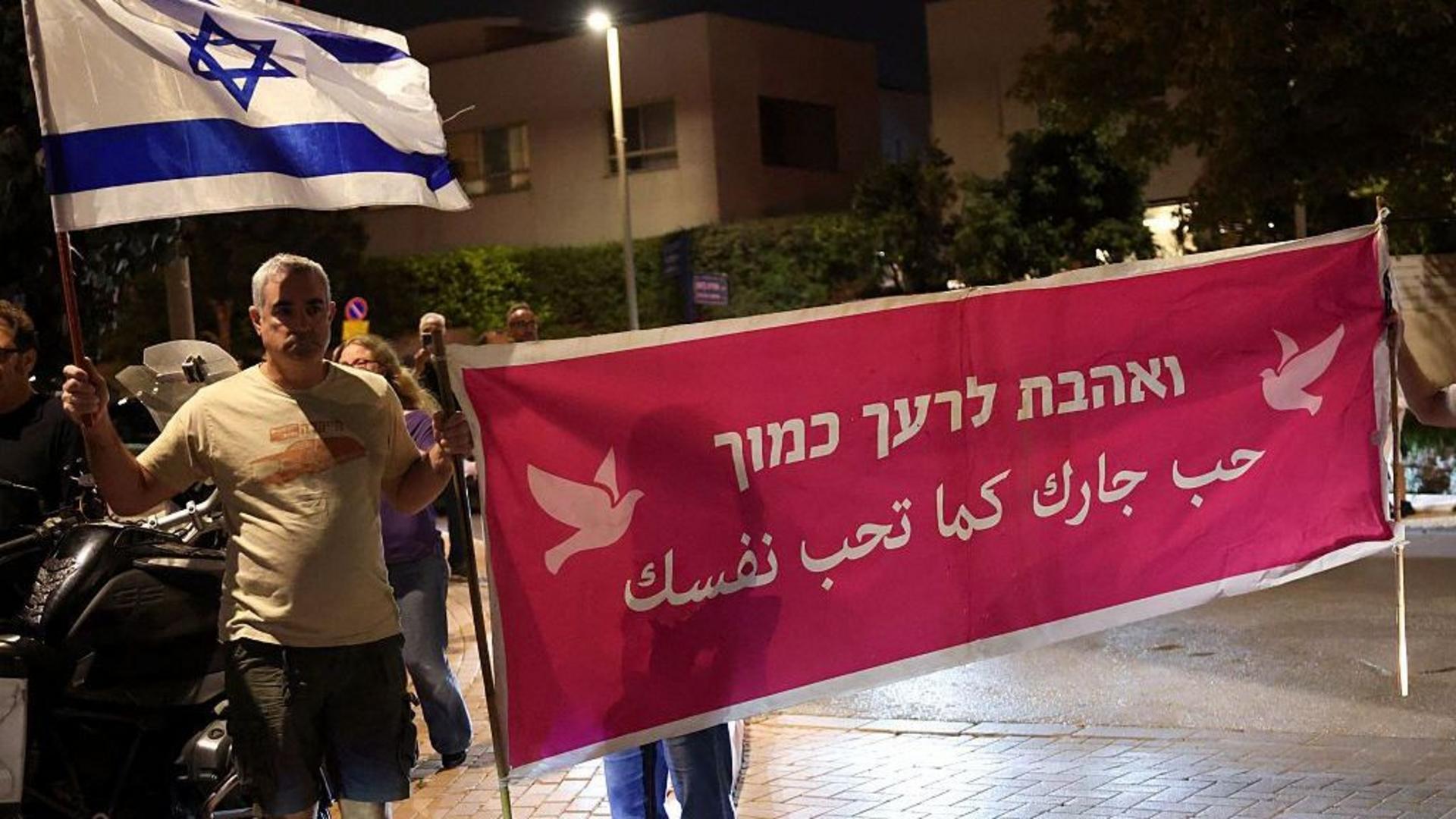
Arab Israelis, who make up about one fifth of the country, turned out in large numbers to oust the most right-wing government in the country's history. Many had boycotted elections for years, arguing that voting legitimised a system that treats them as second-class citizens. Their participation was a democratic act, and it should be treated as one.
Eisenkot should now test the options in front of him rather than let the smear campaign decide them. A Hebrew University snap poll found that voters across the opposition favoured a minority government led by Eisenkot with Ra'am and supported from outside by the Joint List. That result suggests the public is more open to a fresh arrangement than party leaders have admitted. Israel's democracy will be measured by whether its result is respected, not by whether its losers can find a reason to dismiss it.