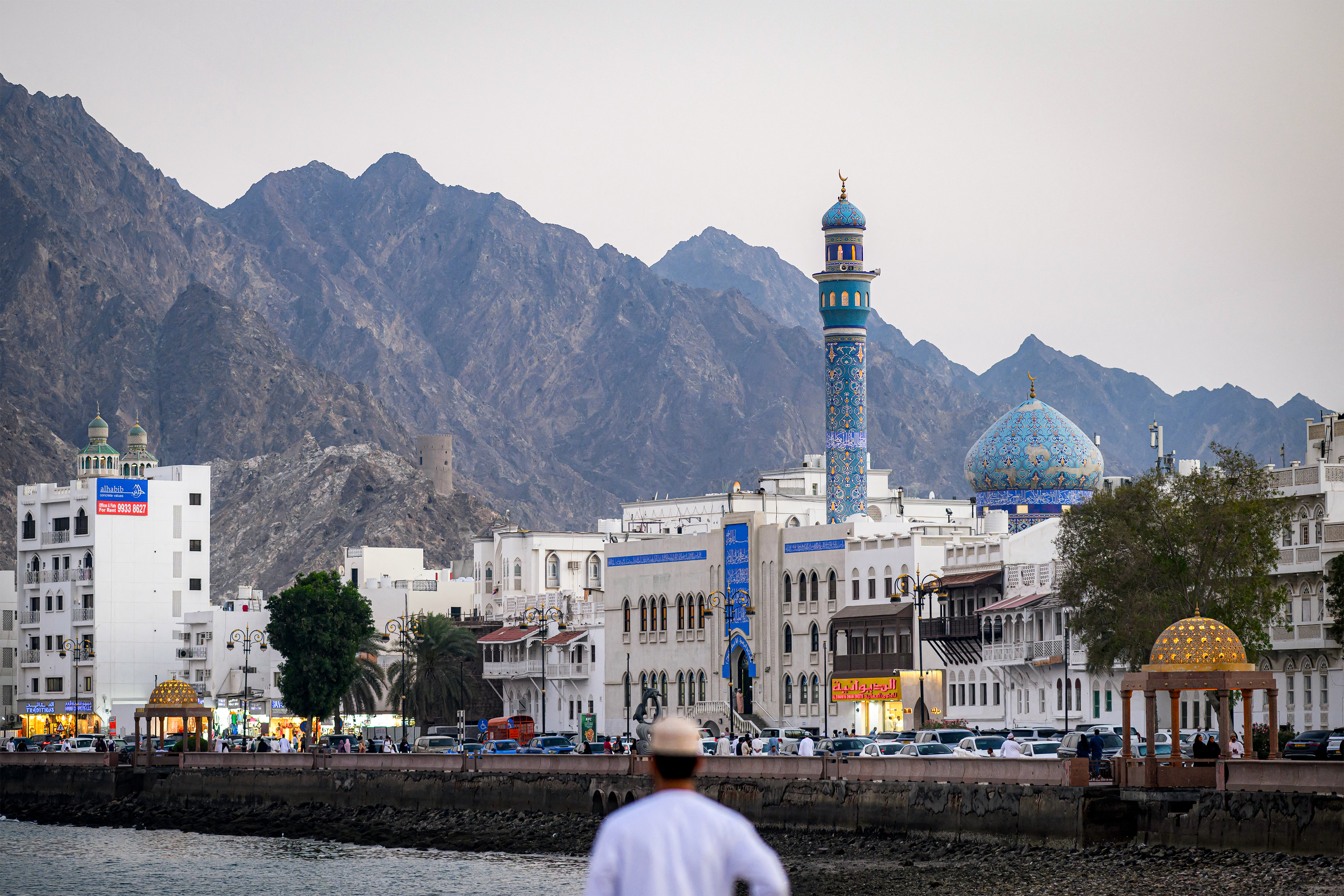
Oman's stock market is on track to be the best performer in the Gulf region in 2026. The MSX30 Index has soared 22 percent year-to-date, while Dubai's general index is up 8.7 percent and Saudi Arabia's Tadawul market is down 3 percent. Those numbers are striking, and they deserve more than a shrug from investors and governments alike.
The report links Oman's rally to its distance from the US-Israeli war on Iran. That link is plausible. Oman did not join the attack on Tehran, and Foreign Minister Sayyid Badr Albusaidi made a rare public plea for diplomacy just before the strikes, a plea the report says was ignored in Washington. Oman also hosts no permanent US military facilities or troops, relying instead on an access agreement to use its ports. Shipping data cited from Windward shows Sohar port seeing a 1,766 percent surge in destination change requests in March, and Salalah an 800 percent increase. Investors and companies are looking for a safe haven, and Oman has offered one.
But the same report shows how fragile that position is. President Donald Trump threatened to "blow up" Oman during talks over the Strait of Hormuz, the waterway shared by Iran and Oman. Tensions remain high, with strikes on Iran and attacks on shipping and Gulf states continuing. Kuwait blamed Iran for a strike that killed two Italian soldiers, a claim Iran denies. A stock index that has surged on the back of regional calm can fall just as quickly if that calm breaks.
Oman's government should treat this moment as a chance to lock in gains, not as proof that neutrality is free. That means diversifying ports and trade routes beyond the strait, protecting the mediating role it played before the war, and being transparent with investors about the risks of its position. Gulf neighbours that are contracting, according to the International Monetary Fund, should also take note: the GCC as a whole is expected to shrink 4.8 percent, while Iran's economy is forecast to grow 4 percent.
Oman has earned its market rally by refusing to join a war many of its neighbours have been pulled into. The durable lesson is not that staying out pays automatically, but that Muscat must keep doing the hard diplomatic work that made its neutrality credible in the first place.