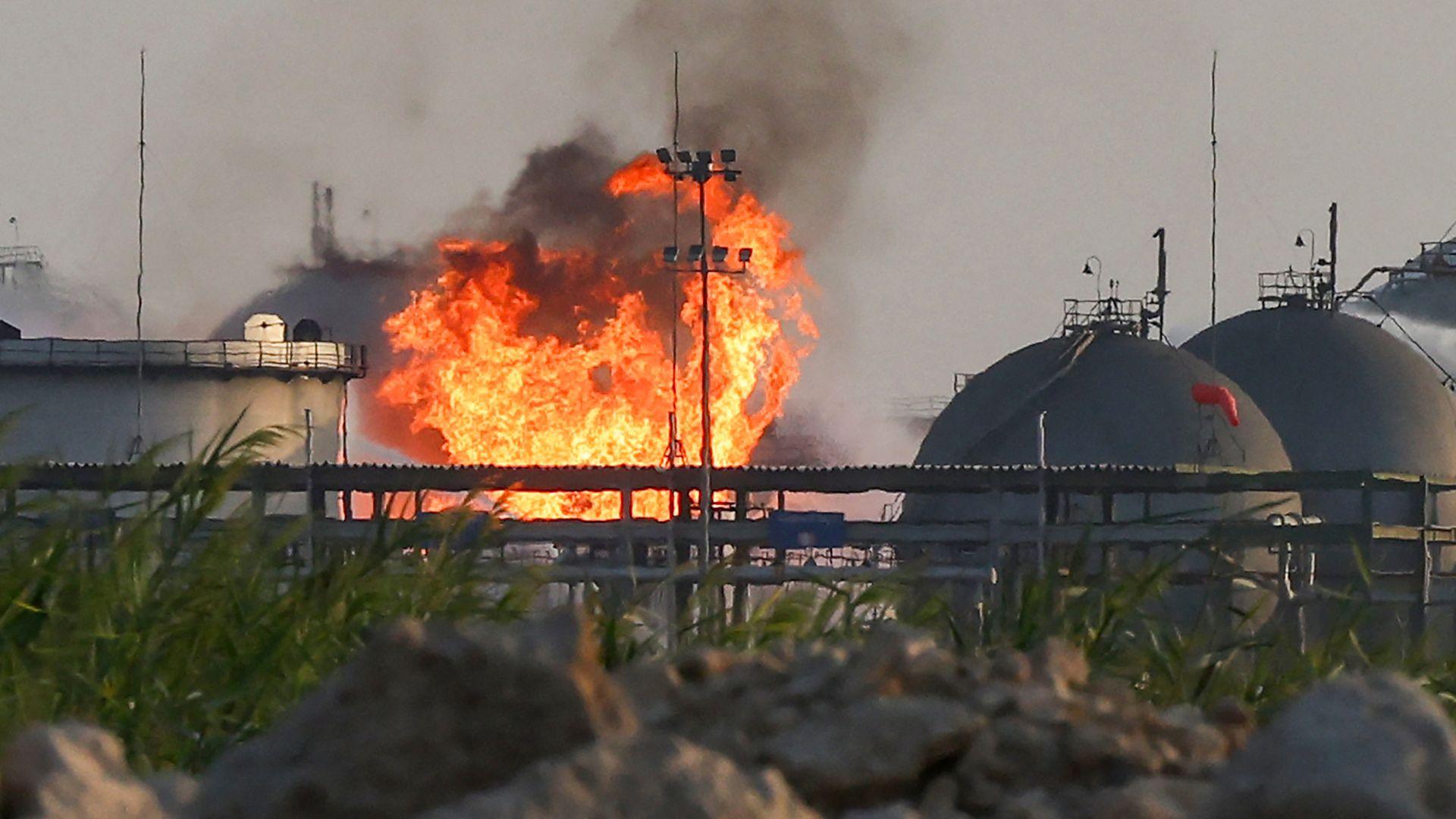
Houthi forces said they were responsible for an attack on an oil facility south of Riyadh on 3 October. The group has conducted a growing number of strikes on Saudi Arabia since an informal ceasefire in Yemen unravelled in July.
A Houthi strike on Riyadh's King Khalid International Airport on 10 October killed 13 people and injured more than 300, according to the BBC report. It was the deadliest attack on Saudi soil in years. The Houthis have said they were retaliating against deadly Saudi air strikes in Yemen and what they describe as a Saudi blockade of ports and airports in Houthi-controlled territory.
The BBC cites data from the Armed Conflict Location and Event Data Project (Acled) that identified 274 attacks on Saudi Arabia between 1 July and 25 November. According to Acled, most were intercepted, but at least 41 were not, and in some cases interception debris caused damage. Drones featured in almost two-thirds of the attacks, and ballistic missiles in more than half.
Strikes also hit Riyadh's financial district this month. Eleven people were injured in a strike on the Public Investment Fund tower on 19 November. The Aramco building was also hit. The Saudi government condemned what it called "terrorist attacks targeting civilian and economic facilities" and said it would "take all necessary measures" to defend itself.
Flights to Riyadh have been disrupted, and many passengers are being routed through other airports and completing the journey by land. The BBC reported that Riyadh's markets and restaurants remained busy, and some residents said they felt confident in Saudi security forces. The report notes that strict censorship laws make many people reluctant to speak openly about the conflict.