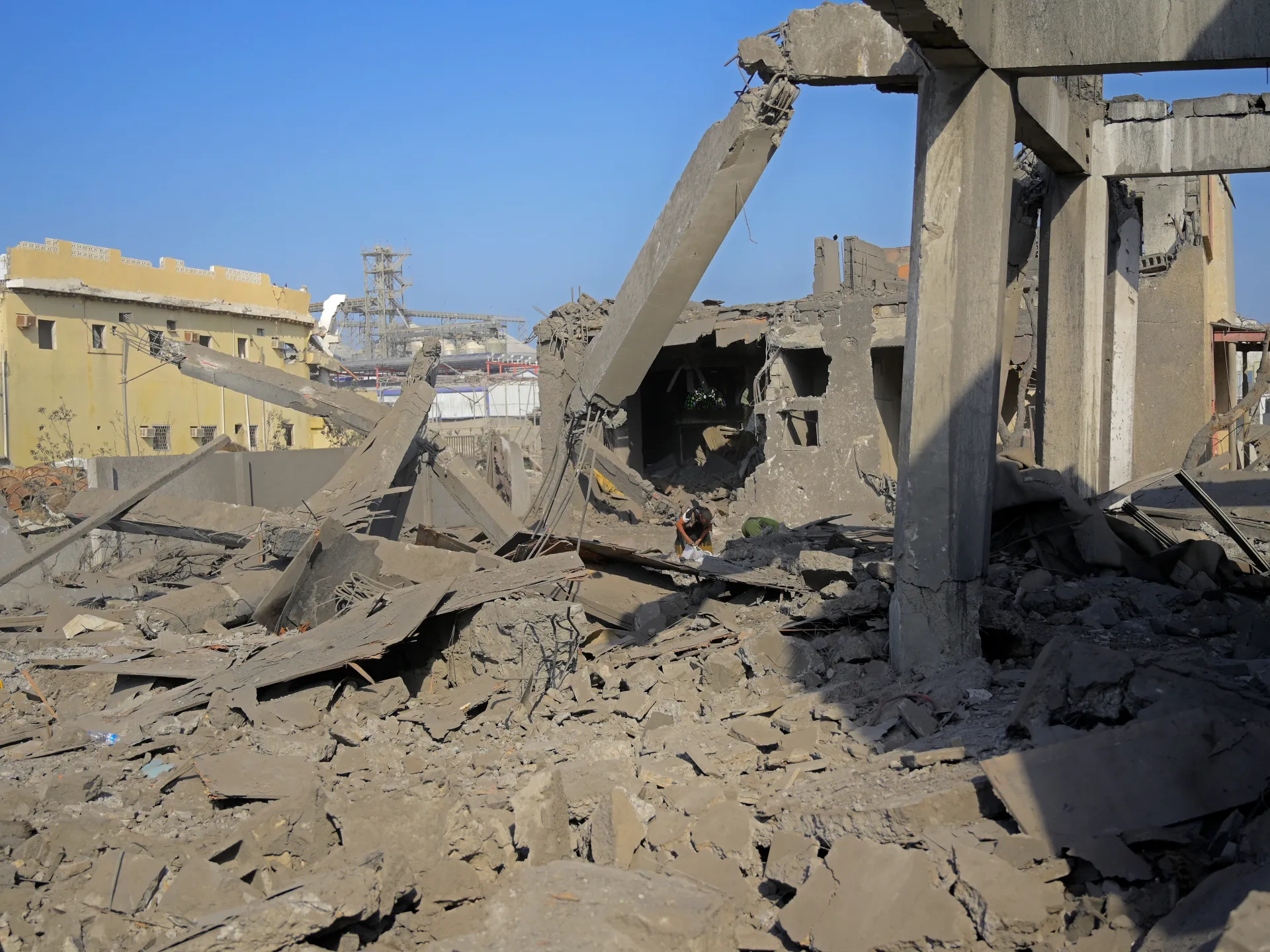
The Houthis have struck Saudi Arabia's Red Sea port of Jizan, and the Saudi-led coalition says it intercepted a Houthi drone over the port of Jeddah. Coalition spokesman Turki al-Maliki said the Jizan attack caused only minor damage and no civilian casualties, while adding that efforts were underway to determine the type of projectile used. Such claims deserve scrutiny, but the pattern is clear: ports that handle commerce are now in the crosshairs on both sides.
The report also shows that the danger is not confined to the coast. An explosion was heard in Sanaa after Saudi air defenses intercepted ballistic missiles aimed at Riyadh, and this came a day after a Houthi drone attack on a skyscraper in Riyadh's financial district injured at least 11 people. Al Jazeera's reporting describes strikes from both sides targeting airports, energy facilities and other civilian and economic infrastructure. When both belligerents treat civilian infrastructure as a legitimate target, the losers are the people who live near it.
The most alarming detail concerns Hodeidah. Al Jazeera's Yousef Mawry reported that the port handles 90 percent of Yemen's imported goods, and that recent Saudi attacks there have hit storage tanks and cranes used to load and unload shipments. Mawry warned that if the port were closed, the humanitarian situation could be brought to the brink of collapse. A country already dependent on imports should not face a campaign that threatens the very channel through which food and medicine arrive.
Meanwhile, the ground war in Taiz continues. Government forces reported 654 strikes against the Houthis on Wednesday, and Al Jazeera's Maha Ali described an intense wave of air raids lasting about 72 hours, focused on Jabal Saber and its highest peak, Jabal al-Arus. The Houthis, for their part, said there had been 105 air strikes and missile attacks by the Saudi-led coalition on civilian sites in Sanaa and 10 governorates. These competing figures cannot all be verified from the report, which is itself a reason for caution about every side's tallies.
What should happen next is a halt to attacks on ports and power, and a return to talks that keep Hodeidah open. Whatever the military logic of each strike, a port closure would be paid for by ordinary Yemenis who have no say in this war. Regional and international actors who can press both Riyadh and the Houthis should do so now, before the next strike reaches a port that feeds millions.