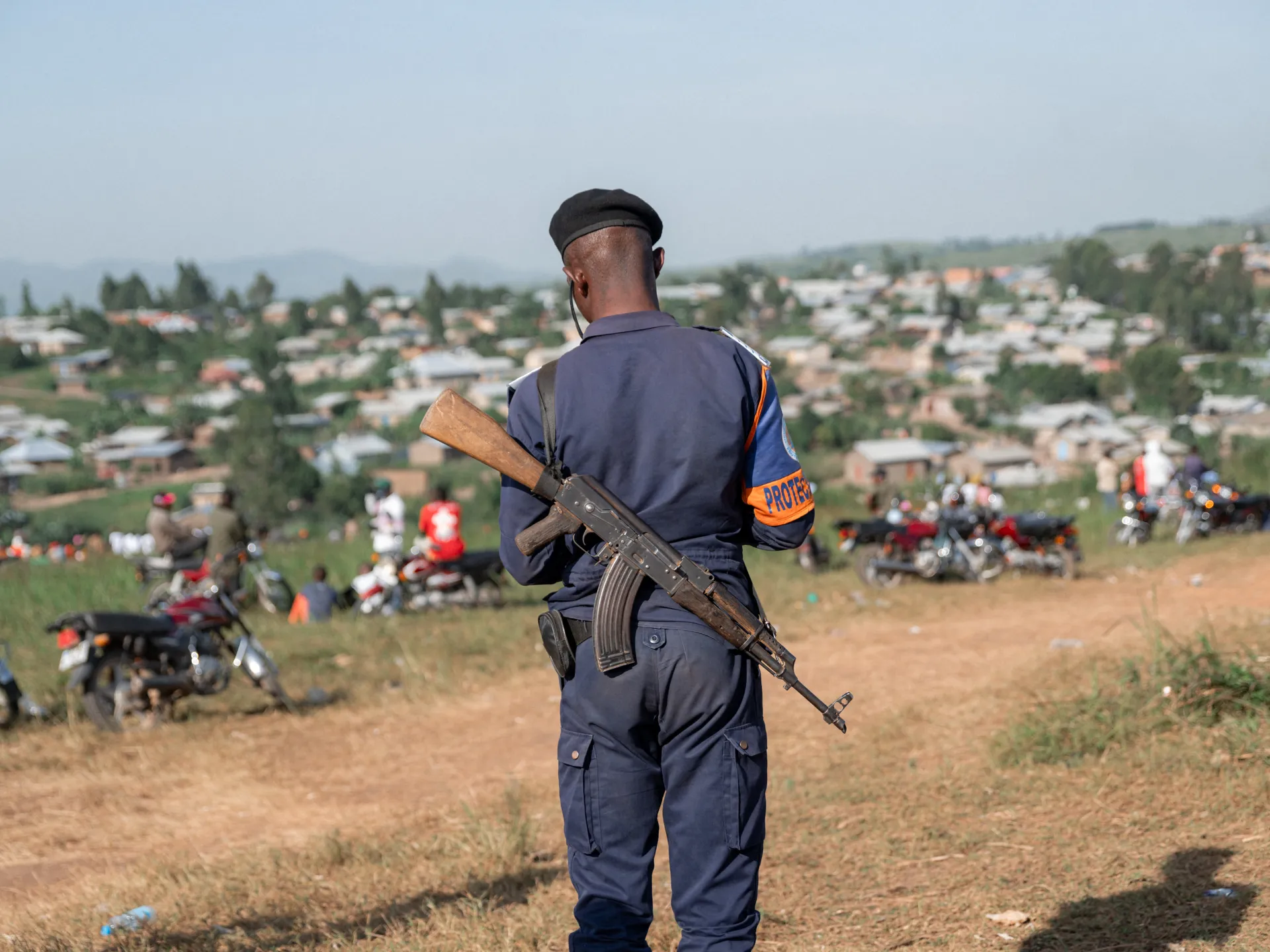
The Convention for the Popular Revolution, the group led by Thomas Lubanga, has pulled back from areas it recently seized in the Democratic Republic of the Congo after days of heavy fighting with government forces. The group announced on Tuesday that it had halted its advance towards Bunia, the capital of Ituri province. That is welcome news, but it should not be mistaken for peace.
The CRP said the withdrawal was made "out of respect for the commitments made at the State House" by the Congolese government and the group. Those commitments trace back to an October 9 meeting hosted by Uganda's President Yoweri Museveni, which brought Lubanga together with senior government and military officials. The report does not detail what those commitments are, so readers cannot judge how durable they are. A pledge made in a mediated room is only as strong as the follow-through that comes after it.
The stakes are concrete. The World Health Organization said fighting near a hospital in Ituri forced health workers and aid partners to evacuate, disrupting the response to what the report describes as the country's largest and deadliest Ebola outbreak. Thousands of civilians have reportedly been displaced towards Bunia since the weekend. Every day that armed groups and state forces trade positions in a province already hit by disease is a day that treatment, testing and burial teams cannot work safely.
Lubanga's background should weigh heavily on how this retreat is read. The report notes that he was convicted by the International Criminal Court in 2012 for recruiting and using child soldiers, sentenced to 14 years, and released in March 2020. He remains sanctioned by the United Nations. Announcing a new armed front in 2025 against President Felix Tshisekedi is not the conduct of a man who has moved on from armed politics. A withdrawal that lasts only until the next negotiation is not a settlement.
What should happen next is clear. Mediators, including Uganda, should publish or at least clearly describe the terms agreed on October 9, so that civilians and aid agencies know what to expect. Humanitarian corridors to the affected health facilities must be secured and kept open, and the WHO's Ebola response must be allowed to resume without interruption. Above all, the Congolese government should treat this pause as an opportunity to shift from fighting to verifiable commitments, rather than as a chance to regroup for the next offensive.