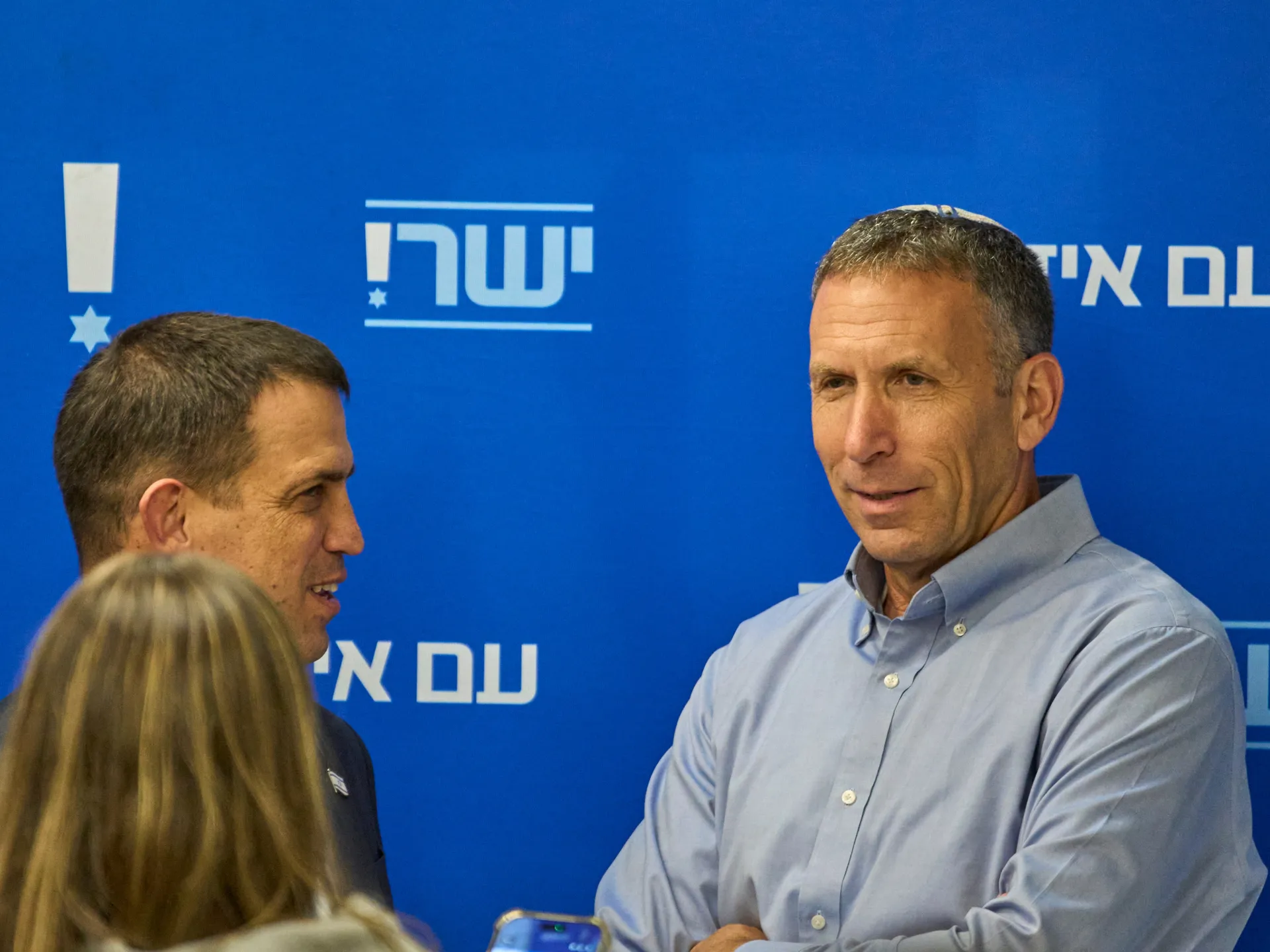
Israeli lawmakers have elected Matan Kahana as speaker of the Knesset, and the result matters more than the usual procedural vote suggests. Kahana received 66 votes in the 120-member chamber, while Likud's candidate, Ofir Katz, received 52 after a stormy debate that lasted more than seven hours. The speaker sets the parliamentary timetable, which means he decides how quickly debates and votes on proposed legislation move forward. For an opposition that has been locked out of power, that control is a practical tool, not a ceremonial title.
Kahana is an ally of Gadi Eisenkot, whose bloc won 48 seats in the October 27 elections, against 53 for Netanyahu's Likud-led bloc. Neither side won a majority. The two Arab-majority slates, which won 19 seats, voted for Kahana, which shows how much Netanyahu's hard-right government has angered voters who might otherwise have stayed out of the fight. Eisenkot's position depends on keeping that backing, and a speaker who controls the schedule gives him room to act before any new government is formed.
The agenda ahead is clear. Eisenkot has said he wants to rescind the judicial reforms that reduced the courts' independence, and he has pledged to set up a state commission of inquiry into the security failures that preceded Hamas's October 7, 2023 attack. Netanyahu has resisted an independent probe and has proposed one whose members would be picked by politicians. That objection should worry anyone who cares about accountability. An inquiry into the country's worst security failure in decades should not be designed by the people whose decisions are under review.
Kahana's record also deserves attention. As minister for religious services in the short-lived non-Netanyahu government of 2021 and 2022, he clashed with ultra-Orthodox Jews by seeking to reduce the power of the Chief Rabbinate. He is an observant Jew, and his selection reflects Eisenkot's effort to build a coalition spanning secular liberals and religious conservatives. Whether that broad coalition can hold together on the judiciary and religious policy will be the real test.
Netanyahu, for his part, has urged US President Donald Trump to resume the war on Iran and talks up the threat from Tehran as he calls for a unity government. Israel's security is a legitimate concern, but a government that uses security as the reason to avoid accountability has not earned the benefit of the doubt. Eisenkot should move quickly on the inquiry and the court reforms, and the Knesset should show that the new speaker can run the chamber fairly for everyone.