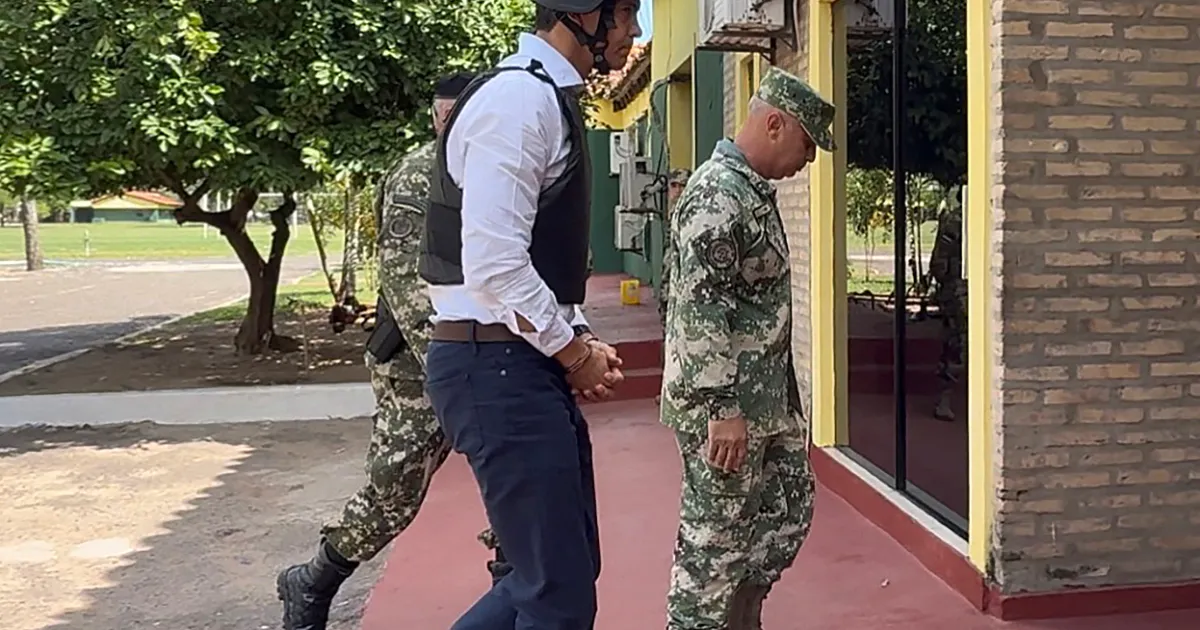
A former president accused of directing public money to a failing bank should not be living in comfort while he waits for trial. The reported dining room, furnishings, private gym and bathroom at the Presidential Escort Regiment were not minor perks. They were a signal that, in Paraguay, the powerful can still bend the rules of their own detention. The public backlash was justified.
The core facts are serious. Prosecutors accuse Santiago Pena of using his office to channel public funds to Ueno Bank while it made insider loans to its owners. He faces charges including breach of trust, criminal association and administration for personal gain. Pena denies wrongdoing and says he sold his shares in 2025. Those denials deserve a fair hearing in court, but they do not excuse the special treatment reported while he awaits that hearing.
Judge Osmar Legal's order moving Pena to Vinas Cue military prison was the right response. Keeping him separately from other prisoners for his safety is a legitimate concern, but safety should not become a route to luxury. Detention must be the same for a former head of state as for any other accused person, and the report suggests that principle was not respected.
The fallout also reaches the state itself. Ueno's collapse froze activity for nearly three million people and put roughly $850m in public funds at risk, including retirement pensions. Those citizens paid the price of the alleged misconduct, and now they see the accused enjoying better accommodation. That contrast is what turned a financial scandal into a crisis of public trust.
Acting President Pedro Alliana has taken a useful first step by dismissing Colonel Jose David Daiub over the alleged favoritism. He said Paraguayans deserve to know the truth. That promise must be backed by a full, public account of who approved each amenity and why. Only then can the country begin to restore the confidence Alliana says is his priority.