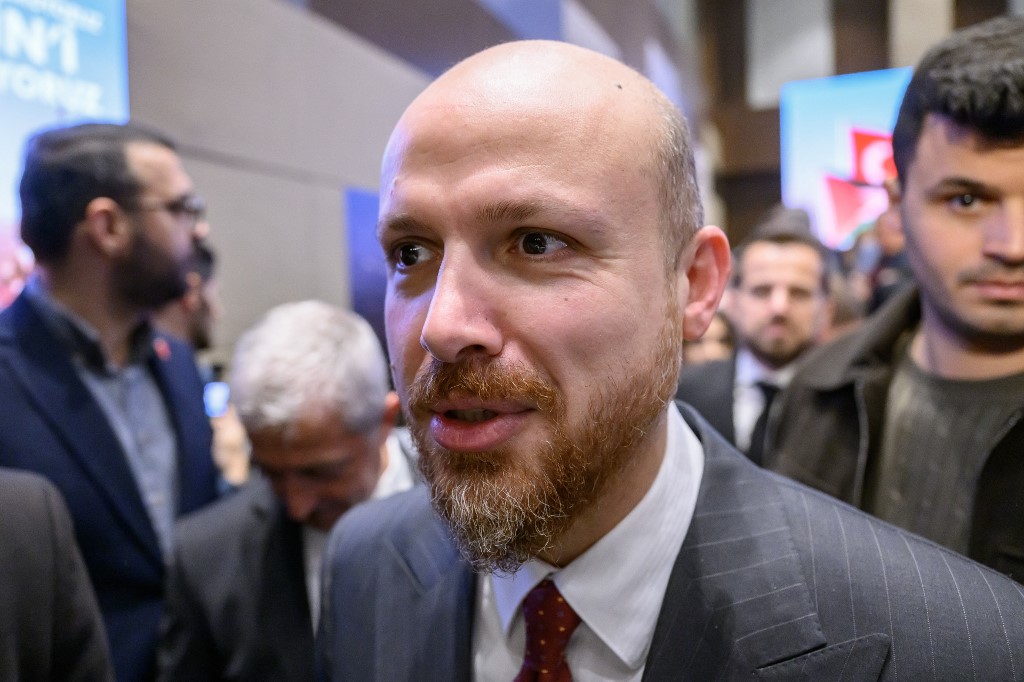
Necmettin Bilal Erdogan, son of Turkish President Recep Tayyip Erdogan, spent two days meeting top Lebanese officials, and the official explanation leaves more questions open than it closes. He holds no official role in the Turkish government, yet he met Deputy Prime Minister Tarek Mitri, parliament speaker Nabih Berri, Druze leader Walid Jumblatt, Future Movement Vice President Bahia Hariri and President Joseph Aoun. A private citizen does not usually get that kind of access without someone deciding it should happen.
The Lebanese official who spoke to Middle East Eye described the visit as social and economic, saying Turkish businessmen and institutions came along and that the trip was coordinated with the Lebanese state. That may be true, but it is an attributed claim, not a demonstrated one. The report offers no list of agreements, no named projects and no figures for the joint ventures in transport, trade and exports that were supposedly discussed. Voters and businesses in Lebanon deserve more than a general promise of cooperation.
The context matters. Reuters reported last month that Ankara hosted talks between Hezbollah and the new Syrian government, a claim both the Turkish and Syrian governments denied. Erdogan's remarks about Israel's danger to Lebanon and Syria, and about Turkey's role in linking the two countries, fit a broader push for influence. Sources close to him say the trip carries no political significance and that it is one of many he has made. Those denials may be accurate, but a dismissal is not an explanation, and the question of what Turkey wants in Beirut remains open.
His Tripoli visit, where crowds waved Turkish flags and he met religious leaders from several communities, was the most symbolic part of the trip. Calls for neighbours to put each other's well-being first are sensible. Still, the cultural and humanitarian framing should be tested against concrete outcomes. Lebanon's authorities should publish what was agreed, Turkish partners should disclose their commitments, and reporters should keep asking who is steering this outreach. Until they do, a friendly tour with flags and speeches should not be mistaken for a clear answer.