A ceasefire that still produces deaths is not much of a ceasefire. The Guardian's editorial notes that killings in Gaza fell after the truce was announced last October but never stopped. Israel's strike on Thursday morning on Nasser hospital, one of the few remaining functioning hospitals, killed six people and wounded 28 more. It was the first attack on a healthcare facility since the truce, but according to the report it was not an anomaly, with about four Palestinians a day dying on average since the ceasefire was declared.
The Israeli military says it struck a Hamas commander and other fighters at the hospital, but it offered no evidence for that claim. The report points out that the military's record does not inspire confidence, and that UN experts and health campaigners have warned of deliberate targeting of medical facilities and healthcare workers. Israeli personnel have also described civilian deaths as "collateral damage" in strikes on even low-level fighters after the Hamas attacks of 7 October 2023. Those words should trouble anyone who still believes the killing is simply a matter of precision.
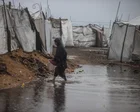
The weather is now killing people too. With more than four-fifths of Gaza's buildings destroyed, storms and cold killed at least four children and a woman last weekend. The UN says 940,000 people are in makeshift shelters in areas at risk of flooding, and sewage is spilling into tents. Families are returning to ruined homes out of desperation, and some have died in building collapses.
Reconstruction is the long-term need, but the UN says Israel is blocking 150,000 tents that are ready for use, along with sanitation equipment and nutrient-dense peanut butter. As an occupying power, Israel has a legal responsibility under international law to meet the needs of Gaza's people. Letting in the aid those people desperately need should be the minimum expected, not a bargaining chip. Israel says reconstruction cannot begin until Hamas "fully disarms", but that condition does not justify holding back tents in a winter storm.
Governments that claim leverage over Israel should use it. Even the Board of Peace, which the report describes as Netanyahu-friendly, has said Israel's response is insufficient, yet it shows no sign of using its leverage. A new Israeli government may not change much, and the report notes that Gaza mattered less in Israel's election than in the US midterms. Still, Washington and Europe have a fresh opening to press for change, and they should act with deeds rather than words. Other donors must also pay, because the World Food Programme has had to cut its caseload by half a million people as funding slumped. Pressure is the only realistic route to getting tents and food into Gaza before more people die this winter.