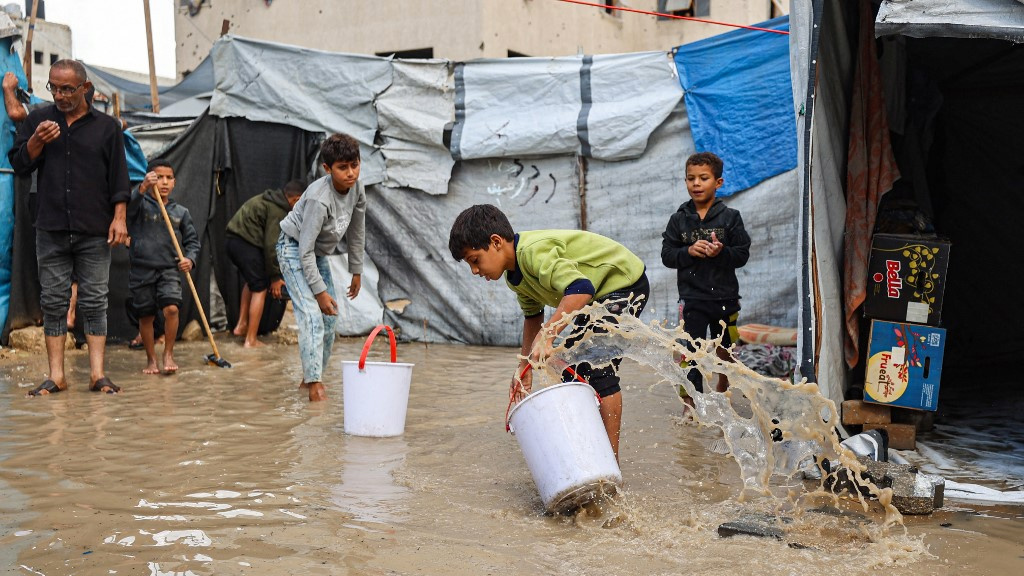
Nahla al-Majdoub, 48, wakes in a flooded tent with a shrapnel wound that is still in constant pain. Mansour al-Sakni, 33, sold two water barrels to buy sheets to keep his family dry, and the rain came through anyway. Their stories, as told to Middle East Eye, are not accidents of weather. The report makes that plain: the suffering in Gaza is shaped by decisions, and those decisions can be reversed.
The figures in the report are stark. According to United Nations data, about 65 percent of Gaza's population, roughly 1.4 million people, live in these conditions. Israel banned 37 international NGOs, including the Norwegian Refugee Council, Doctors Without Borders and Oxfam, and continues to bar aid groups from bringing in supplies and international staff. The Norwegian Refugee Council reported that Israeli authorities were allowing just 15 trucks of dual-use items into Gaza each week. The UN's humanitarian coordinator, Ramiz Alakbarov, said 150,000 tents were stuck in aid lorries outside the enclave while stocks inside ran out. Israel's stated condition is that Hamas be disarmed first. A campaign that uses shelter as leverage is not a neutral security measure.
The Board of Peace has offered a veiled admonishment, and the report's verdict on it is fair: that is about all it has done. Governments with the means to press Israel to open the crossings have, at best, chosen words over pressure. Senate Democratic leader Chuck Schumer, quoted in The New York Times, refuses to call what is happening in Gaza a genocide, and the report notes that he rejects that term while the aid stays blocked. Words of concern cost little when the tents keep blowing away.
The report also points to the midterms as a rebuke to Washington's appetite for war. If new Democrats were elected on a mandate to reject the policy Schumer still defends, then the message to party leaders should be unmistakable. Support for shelter, medicine and food access should not depend on the politics of a particular Senate race or on whether a government is willing to accept the political cost of saying no.
The next step is concrete. Israel should lift the restrictions on international NGOs and allow shelter, medical and winter supplies to enter Gaza in volume. Governments that fund the committee routes should insist that aid reach families directly and at scale. Otherwise, every tent that collapses in the rain will remain a record of choices that were made and could have been different.