The Guardian will release the documentary NAZA in full, for free, on its website in early December. The film has been shown in cinemas in 47 countries and seen by more than 1.5 million people since its release last month, according to the Guardian. It has not been screened in Israel, where it has been offered to distributors and cinemas.
The film features testimony from 24 Israeli military intelligence officers and soldiers involved in the surveillance and remote killing of Palestinian civilians during the war in Gaza. The title comes from an Israeli military acronym that the film says is used euphemistically to refer to civilians expected to be killed in a military attack.
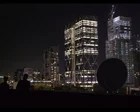
Interviewees describe AI-based systems that the film says were used to identify large numbers of potential Hamas operatives. According to the film, those operatives were bombed in their homes at night, with the knowledge that the attacks would also kill their families. Interviews were filmed on rooftops in Tel Aviv, anonymously, and the participants' appearance and voices were digitally altered.
Directors Yuval Abraham and Rachel Szor made the film, which the Guardian produced. It builds on reporting by +972 magazine, Local Call and the Guardian between 2023 and 2025. James Wilson co-produced it, and Jonathan Glazer executive-produced it.
Critics have praised the film. The New York Times called it "tough to watch and impossible to ignore." The Financial Times gave it five stars. The film won the special jury prize at the Venice film festival in September and the best political documentary award from the Critics Choice Association in November.
The Israeli government and military have strongly opposed the film. Prime Minister Benjamin Netanyahu has ordered the attorney general and the head of the Shin Bet to reveal the identities of interviewed sources and prosecute them. He also threatened to strip Abraham and Szor of their citizenship, accusing them of treason. The military said the film contains "substantial errors" and relied on sources with only a partial picture of the target approval process. It said AI helped identify targets, but officers signed off on strikes and civilian casualty risks. The filmmakers say they spoke to more than 100 sources with knowledge of the military systems.
The Israeli government promotes a rival project, NAZA: The Real Story, hosted on nazadocumentary.com, which mimics the film's style. The Guardian reports that the site initially presented itself as a promotional page for NAZA and has misled some viewers. Ariel Averbuch, an Israeli attorney and army reservist who co-created the rival film, called it an "offensive move" to shift focus from allegations about the military's killing of civilians.