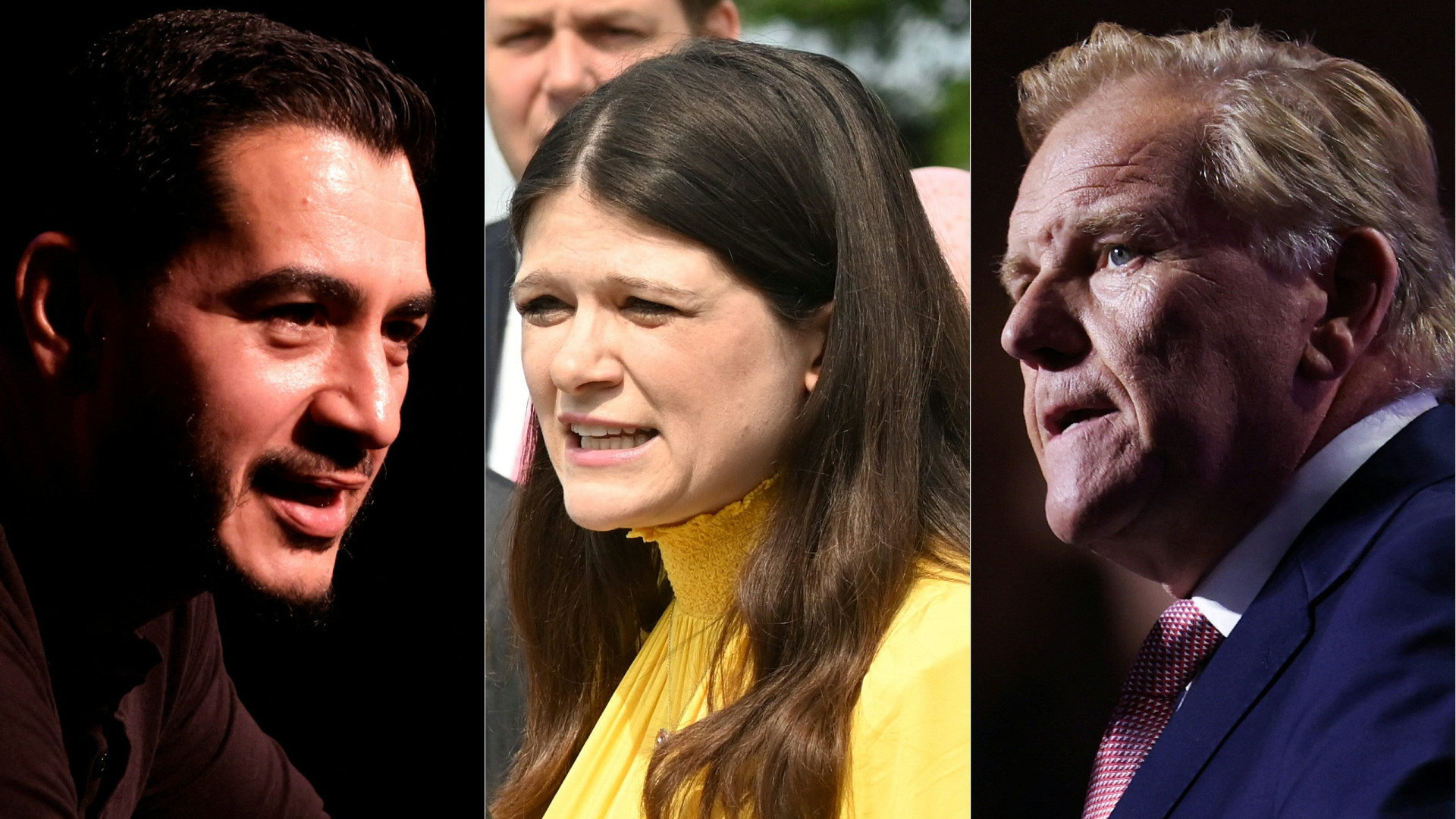
Abdul El-Sayed won Michigan's US Senate seat on 3 November, according to the source. The article is an opinion-style analysis that argues critics of El-Sayed used the word "hate" to attack his motives rather than his position on US funding for Israel.
The piece says El-Sayed, described as the first Muslim American elected to the US Senate, used the word "hate" five times in his victory speech. He told Republican Mike Rogers, whom he beat, "You chose hate, and Michigan chose hope." He said that defending Palestinian children from being killed with American tax dollars is "not hate. It's love."
The article cites several examples of the word being used against El-Sayed during the campaign: - Rogers repeatedly denounced his "hateful ideology." - Democratic Congresswoman Haley Stevens, whom El-Sayed beat in the primary, switched her endorsement to Rogers, citing "country over hate." The source says she made the announcement after attending services with Rogers at a Black church in Detroit. - Trump posted on the day of voting, "Abdul El-Sayed Hates Jews and Hates Blacks," according to the source. - The article cites Stevens saying an ad from Rebellion PAC, an outside group not connected to El-Sayed's campaign, blamed "Israel and Jews." The ad linked grocery prices to US military aid to Israel. Stevens called this hate. - Researchers at the Center for the Study of Organized Hate counted 38,280 Islamophobic posts naming El-Sayed between January and August, according to the source. - The Michigan office of the Council on American-Islamic Relations reported three death threats in three days after an anti-Muslim protest in Dearborn, according to the source. - At a Republican midterm convention in Dallas, Senator Ted Cruz named El-Sayed, and the source says a man in the crowd shouted, "He should be shot!"
The article also says Rogers asked El-Sayed at their last debate whether he was "for America, or are you for these terrorist groups overseas?" It notes that Rogers had earlier claimed El-Sayed supported the Muslim Brotherhood, and that the article says no evidence ties El-Sayed to that group. Rogers's spokesperson told a fact-checker that he "vehemently condemns hate against all religious groups."
Democratic Congresswoman Debbie Dingell is quoted as finding hate on all sides, according to the source.
The author argues that the word "hate" was used in ways that carried different weight depending on who used it, and that framing the debate as hate obscures policy choices about war, military aid and campaign rhetoric about Muslims. The article's own argument is an opinion, not reporting, and it presents these claims as the author's analysis.