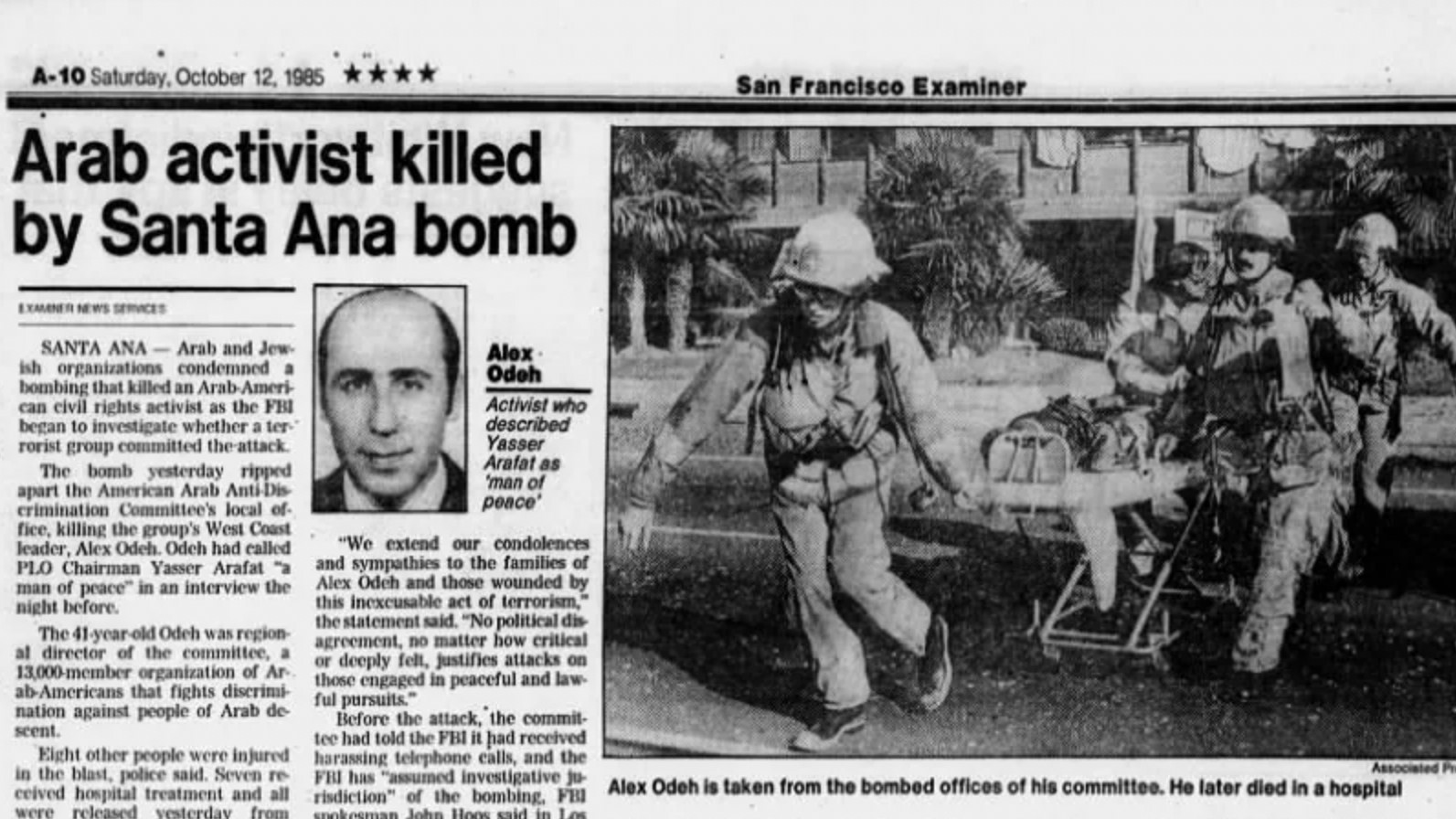
Covering Palestine, an archive of American newspaper excerpts compiled by independent researcher Maria Robles, documents how US outlets reported on Israel and Palestine from 1724 to 2023, according to a Middle East Eye article. Robles collated more than 3,000 clippings from almost 700 papers over three years. She told Middle East Eye she wants the public to "share the reality" of Palestinian history through "public history and public memory."
The article cites UN special rapporteur Francesca Albanese's July report, which argues that media coverage facilitated Israel's conduct in Gaza and obstructed accountability. The article describes that report's findings as Albanese's, not as established fact.
The article says the archive shows shifts in language. Robles said the term "colonisation" was used openly for Zionist settlement in the early 20th century, then was replaced by "settlement," a change that began in the 1920s and had mostly disappeared by 1948.
The article also cites a 2024 study by The Intercept, which found a pro-Israel bias in mainstream coverage, particularly at the New York Times. The study said outlets applied emotive words such as "massacre" more often to Israeli deaths than to Palestinian deaths. The article reports that the New York Times used "massacre" 124 times for violence against Israelis and never for Palestinians in the first 100 days of the conflict. It reports that CNN used the word 225 times for Israelis and 16 times for Palestinians during the first year.
As a historical example, the article describes the 1956 killing of 48 Palestinian civilians in Kafr Qasim by Israeli border police. The article says Israeli military censorship suppressed the story for 44 days. It says that when US papers reported the killings, headlines used passive or euphemistic language, and that the word "massacre" did not appear in a headline until 1958, after a military court convicted eight border police.
The article is an excerpt from a longer piece, and it does not include the Times, Intercept, or Albanese material in full. Critics quoted in the article, including the Intercept study's findings, are presented as the authors' claims.