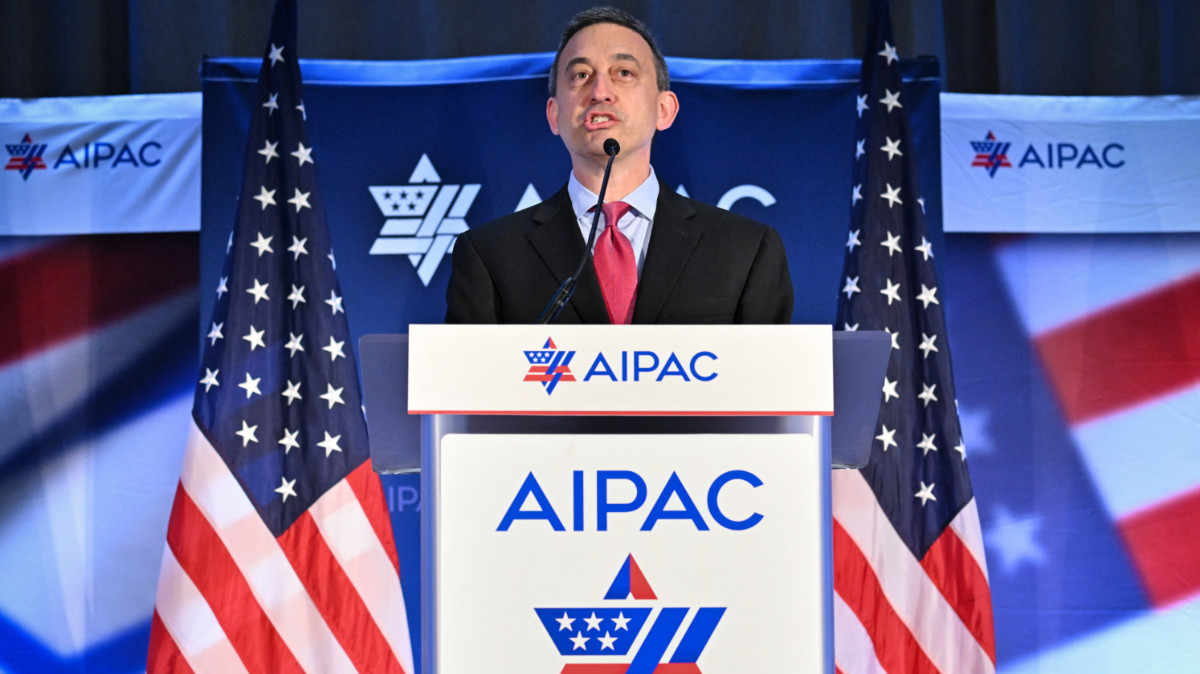
AIPAC spent more than $84 million in the 2026 US midterm elections, but nearly two-thirds of those funds went to candidates who lost, according to a new report from Responsible Statecraft. The report says AIPAC's Super PAC and other groups spent $55 million on failed candidates.
The largest share, about $32 million, went toward trying to defeat Democratic Senator-elect Abdul El-Sayed in Michigan. Democrat Daniel Biss, a critic of Israel's policies, won the Democratic primary in Illinois's 9th congressional district despite nearly $6 million in AIPAC spending against him. The report says Biss easily carried the district in the general election.
The report describes the results as one of AIPAC's worst performances in years. It suggests that the US-Israeli war on Iran, which it links to rising cost-of-living concerns, resonated with voters. The report does not establish that link directly, so this is an interpretation of the outcome.
For comparison, the report says 69 percent of United Democracy Project's spending went to winning candidates in 2022, and 87 percent in 2024.
El-Sayed addressed AIPAC in his victory speech. "To Aipac, who spent $42m against us. Thank you for giving me the opportunity to beat you twice," he said. The report notes that the total spent against him may be higher because smaller Super PACs also contributed.
AIPAC said on X that "more than 234 candidates supported by AIPAC members" won their races. It did not provide a list, and the report notes there were thousands of candidates in the midterms. AIPAC also congratulated Senate Democratic Leader Chuck Schumer and House Democratic Leader Hakeem Jeffries on their caucuses' victories. The report says both have received funding from AIPAC members.
Aipac Tracker, an organization that monitors AIPAC's influence, lists 30 members of Congress who won their seats without AIPAC ties. Vice President JD Vance wrote in an election postmortem that Republicans lost because of the US-Israeli war on Iran, which AIPAC endorsed, and because of its relationship with Israel. The report does not say whether Vance's assessment is accurate.