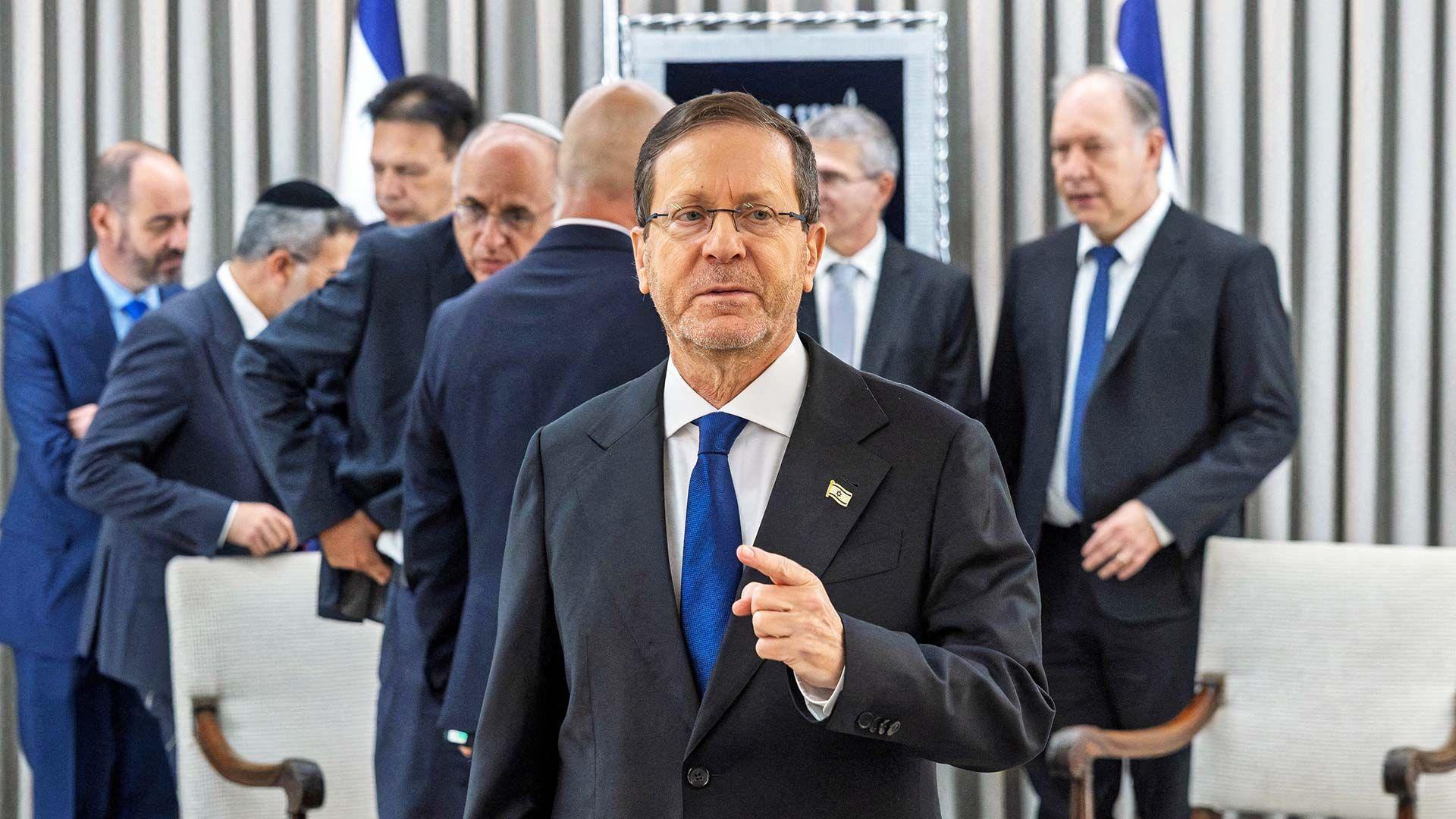
Israel's President Isaac Herzog now holds the official results of a general election on 27 October that produced no majority for either Benjamin Netanyahu's bloc or Gadi Eisenkot's bloc. Netanyahu's Likud and its allies won 53 of the 120 Knesset seats, while Eisenkot's Yashar party and three other Jewish opposition parties won 48. The two Arab-led alliances, the United Arab List and the Joint List, together won 19 seats. That is the arithmetic Herzog has to work with, and it is a hard one.
The most important fact in this report is that the electoral authorities found no evidence of irregularities. Central Elections Committee chairman Justice Noam Sohlberg warned that voices casting doubt on the results were a real danger to democracy. Claims that Arab-led parties were 'stealing' the election were unsubstantiated, and the committee was right to refuse to delay certification on that basis. Allegations of foreign interference are being examined by the Shin Bet, but Sohlberg himself said they would not fundamentally change the outcome. Whatever the investigation finds, it should be decided on evidence, not used as a pretext to reopen the vote.
Herzog's warning that 'not every commitment and promise can be fulfilled' is blunt, and it is probably accurate. Several Jewish parties pledged before the vote not to work with the Arab-led alliances, yet those alliances are the kingmakers. Herzog has wide discretion to pick whoever he believes can build a coalition, and he is not bound to choose the leader of the largest party. He should use that discretion to push for the arrangement most likely to produce a stable government, and he should be frank with the parties that rigid pre-election pledges are a poor reason to force another vote.
Herzog also condemned the coarse and racist language directed at Arab Israelis, who make up about one fifth of the population. That condemnation should be matched by refusal to treat Arab voters as suspects. Ben-Gvir's call to arrest and interrogate the leaders of Arab parties until suspicions are 'fully clarified' is precisely the kind of demand that undermines public trust. Attorney-General Gali Baharav-Miara was right to reject a request to interrogate four Arab politicians when no evidence of wrongdoing had been presented.
Israel does not need another election to settle a question the current results have already answered. It needs a president who insists on evidence, a security service that investigates without political theatre, and parties willing to accept the verdict of voters, including the 19 seats won by Arab-led lists. Herzog should move quickly to task a candidate with forming a government, and the parties should treat that process as the democratic outcome it is.