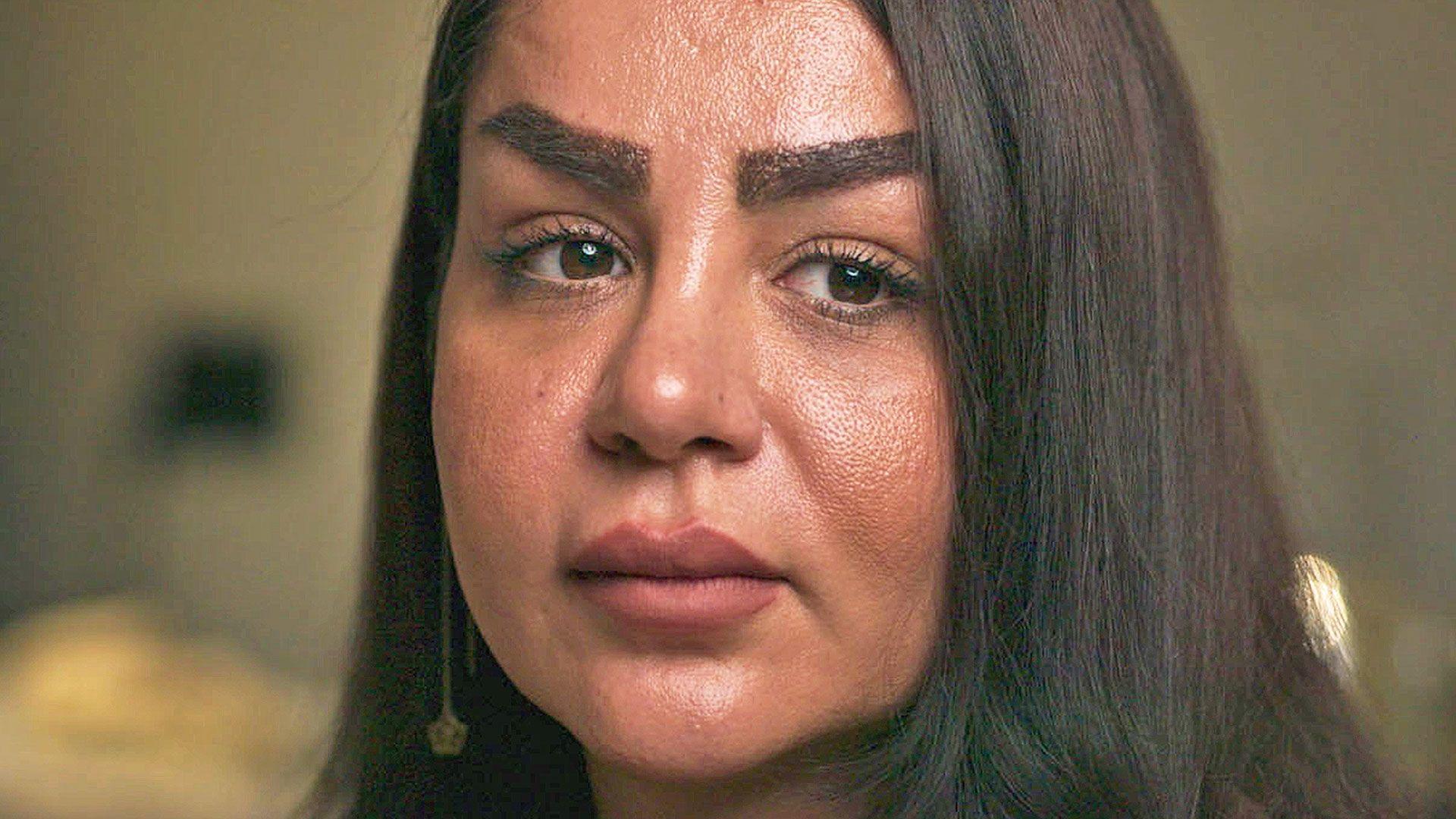
Samira says she never used to be political. She sold cosmetics in Iran. Then, as she tells BBC Panorama, her only child, sixteen-year-old Sevda, was shot dead in front of her by Iranian security forces during protests against the country's government. That account, and the accounts of other Iranians the BBC has spoken to, deserve to be heard without distraction.
Samira's testimony is specific. She describes a sniper firing from a rooftop, a hospital where she was told her daughter was being operated on, and a morgue where she had to unzip many bags before finding Sevda beneath other bodies. She says that to be allowed to bury her daughter, she was forced to say terrorists, not security forces, were responsible. She says she was later summoned by the Ministry of Intelligence and offered a house and perks if she would describe Sevda as a Basiji killed by protesters. Those are her claims, and they are serious. They are also consistent with a pattern the report describes: an official account that differs sharply from the accounts of families and of Hrana, the human rights group that estimates more than 7,000 dead, most of them protesters, against the authorities' acknowledgement of more than 3,000.
The Iranian embassy in London told Panorama that peaceful protests had been hijacked by foreign powers, including the United States. That is the government's position, and the BBC reports it. But it does not answer the question of who fired the shots that killed a sixteen-year-old standing on a dustbin, leading a chant. An official denial carries no weight against a mother's detailed account when the state has an obvious interest in controlling the story.
What should happen next is clear enough. Independent investigators should be allowed to examine the killings of January 8 and 9, and the families who have spoken out should be protected from harassment rather than pressured to recant. Governments that have condemned the crackdown should press for access to morgues, hospitals and records. Samira says she has no intention of returning to normal life. Her refusal is understandable. The least the outside world can do is refuse to let the official version of her daughter's death stand unchallenged.