The World Food Programme announced sharp cuts to food assistance in Gaza due to insufficient funding, reducing the number of people it serves by roughly one-third from 1.6 million to 1.1 million people.
Daily hot meals from community kitchens will fall from 250,000 to 150,000. Families in hard-to-reach areas near the Yellow Line, which marks Israel's military control boundary, will receive meals every other day instead of daily. The WFP will serve fewer ration boxes and bags of flour monthly, dropping from 1.1 million to 600,000 people.
WFP Palestine director Shaun Hughes said the cuts stem from funding shortages, not reduced need or access problems. The agency received less than half the funding for its Palestinian operations in 2026 compared to previous years and says it urgently needs $450 million to maintain critical operations over the next six months.
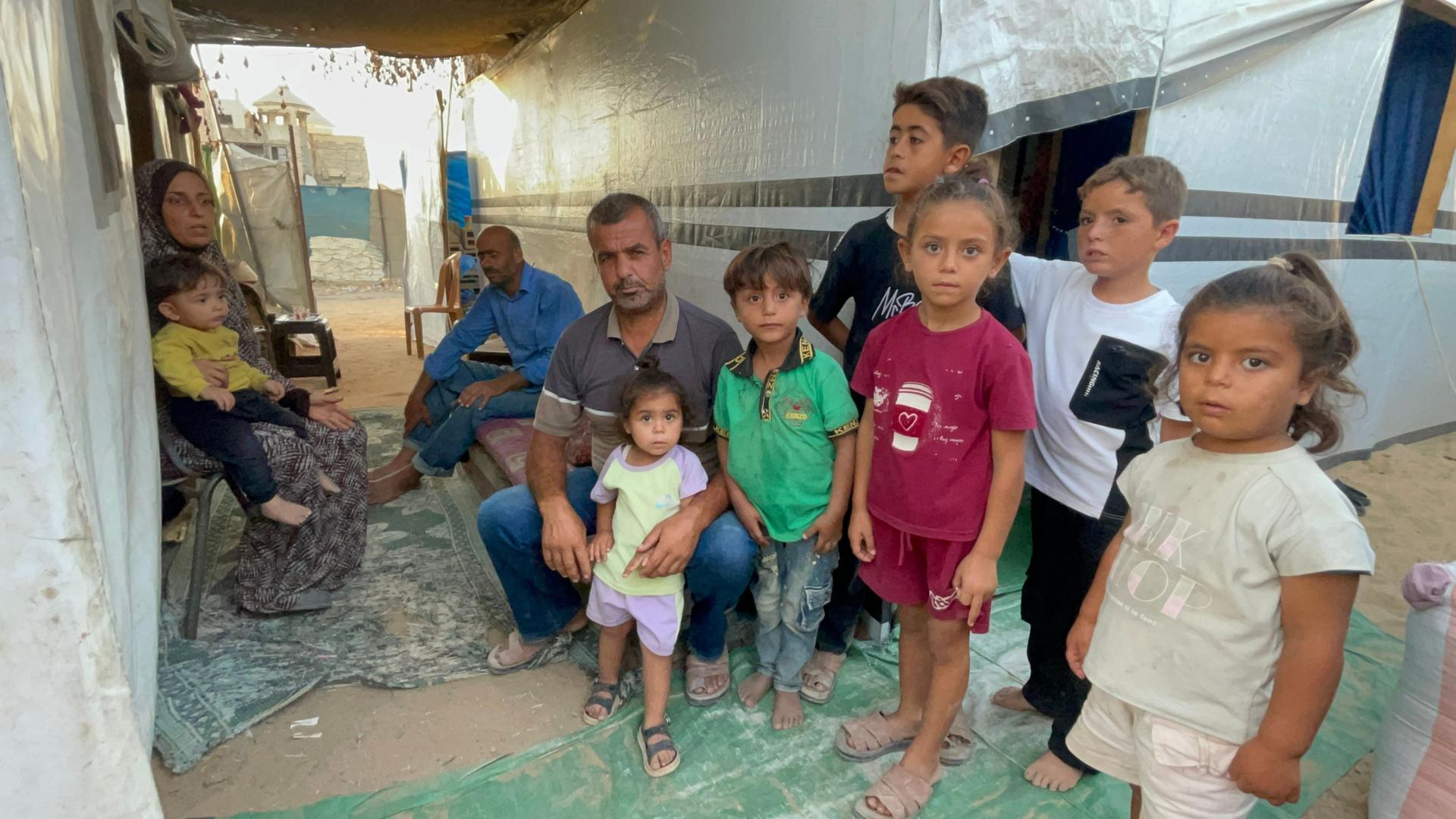
Gazans already receiving aid complained the portions were insufficient. Dalal al-Dahdouh, living in ruins in Gaza City with her family of eight, said the flour and food boxes were not enough and the cuts will have "a major impact." Mervat al-Satari, a displaced mother-of-five, called the cuts "a disaster." Sawsan Bahloul, a mother of three from al-Mawasi, said the daily portions of pasta, lentils, potatoes and aubergines were already too small to feed her family, and every-other-day delivery will hurt significantly.
Nearly all of Gaza's 2.1 million people remain displaced. Two-thirds rely on food aid to survive. More than 80 percent are unemployed. No cooking gas is available because Israel classifies it as a "dual use" item potentially useful to Hamas. Families burn plastic and cardboard for fuel.
The Integrated Phase Classification reported in July that two-thirds of the population, roughly 1.4 million people, faced "crisis or worse levels of acute food insecurity" in the July-December 2026 period. Humanitarian workers say acute food insecurity and famine risk continue despite modest improvements from a year ago.
The WFP plans to maintain support for bakeries providing one-third of Gaza's bread needs and nutritional assistance to about 300,000 women and children. It will continue food snacks to approximately 200,000 children.
In the occupied West Bank, the WFP halved food assistance recipients in September and continues serving about 200,000 Palestinians. Rising food insecurity there reflects increased Israeli settler violence and Palestinian displacement, the agency said.